USA-IFK Kyokushin Karate
Real Karate. Real Challenge. Real Growth.
Welcome to the beginning of your Kyokushin Journey
USA-IFK Kyokushin Karate is the official United States branch of the International Federation of Karate (IFK), one of the world’s largest and most respected Kyokushin organizations.
Founded under the guidance of Hanshi Steve Arneil, a direct student of Sosai Mas Oyama, the IFK preserves the authentic spirit and teachings of Kyokushin worldwide.
Recognized internationally, USA-IFK serves as the official representative of IFK Kyokushin Karate in the United States — maintaining true lineage, structured governance, and a direct connection to Kyokushin’s global community.
What is Kyokushin?
What Kyokushin is-
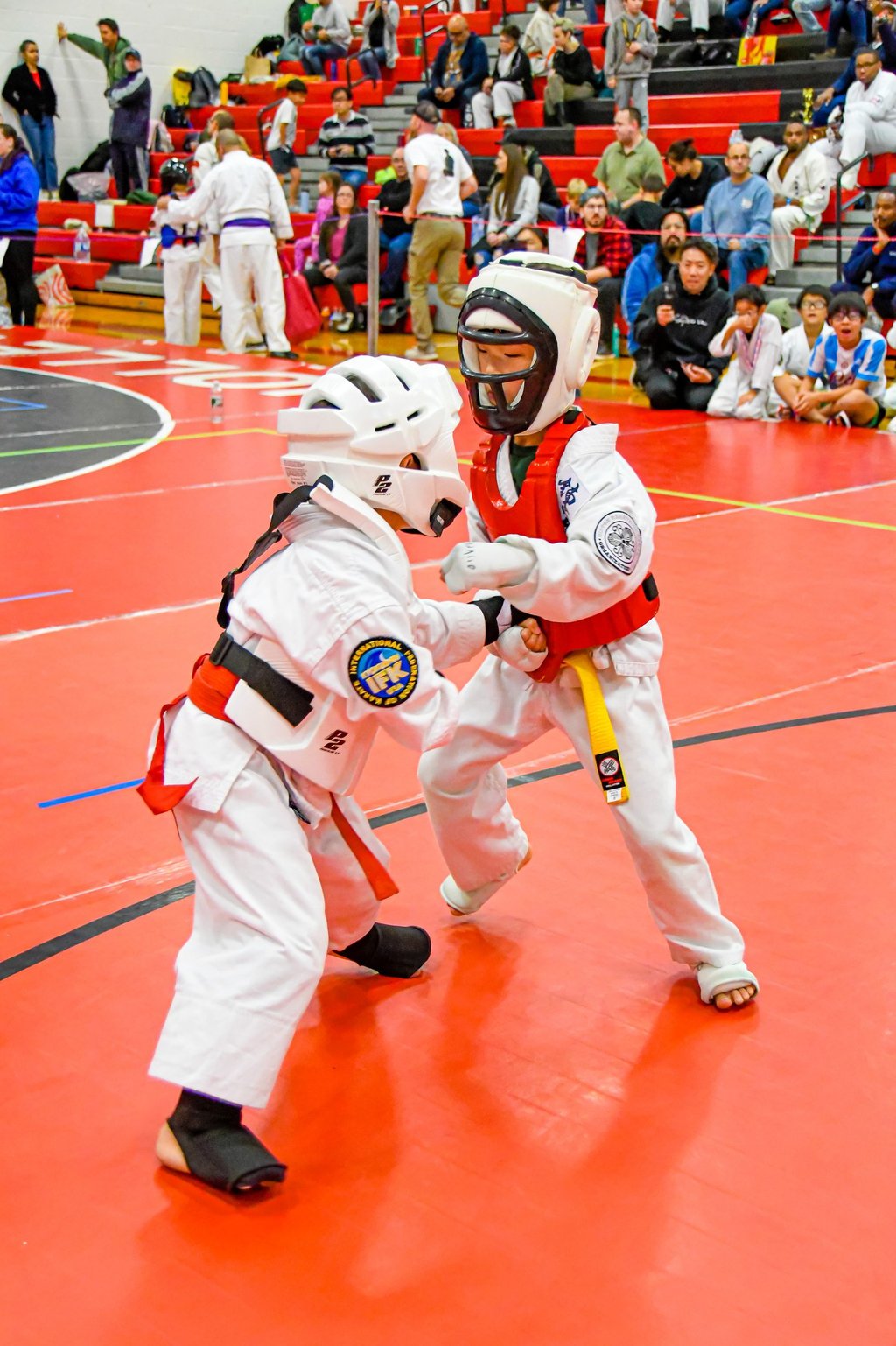
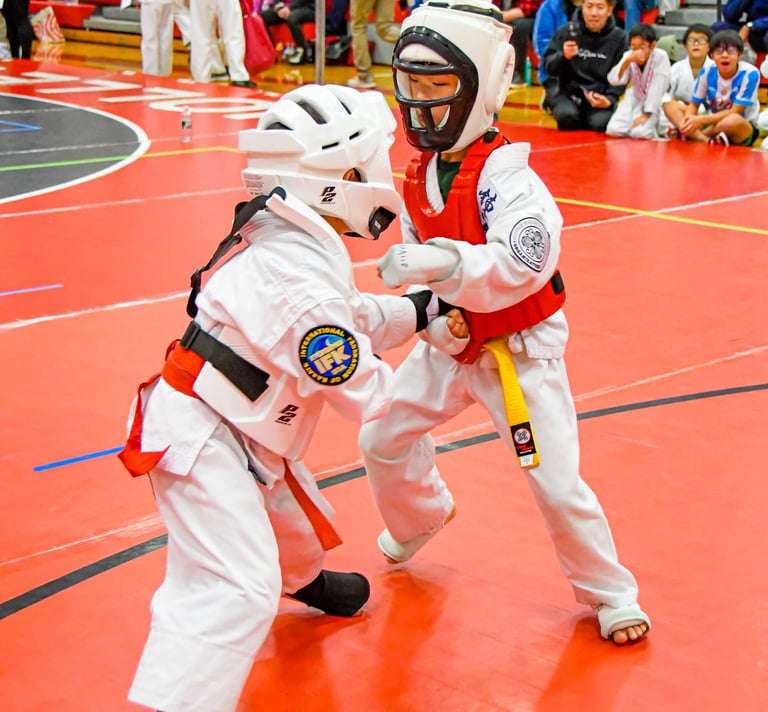
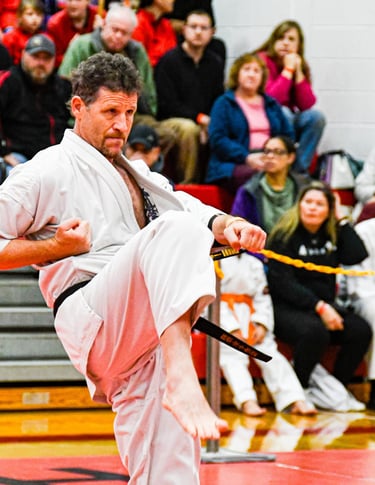
Kyokushin is a full-contact style of karate founded by Masutatsu Oyama in the 1950s. It is known for its powerful techniques, rigorous physical conditioning, and knockdown kumite, where competitors fight without protective gear. The system blends the linear strikes and formal kata of traditional karate with an emphasis on realism and effectiveness in combat. Practitioners train in kihon (basics), kata (forms), and kumite (sparring), developing both technical precision and fighting spirit.
What Kyokushin means-
Beyond technique, Kyokushin is a path of personal development. Rooted in the principles of discipline, humility, and perseverance, it challenges students to grow through adversity. Hard training reveals both physical and mental limits—and teaches how to push past them. For many, Kyokushin becomes more than a martial art: it’s a lifelong pursuit of character, strength, and inner resolve.
To read a more in-depth discussion of this, please click HERE.
"One becomes a beginner after one thousand days of training and an expert after ten thousand days of practice" - Mas Oyama
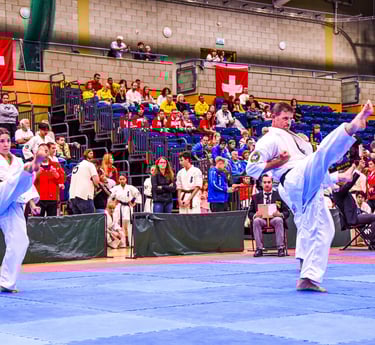
Who We Are — The USA-IFK
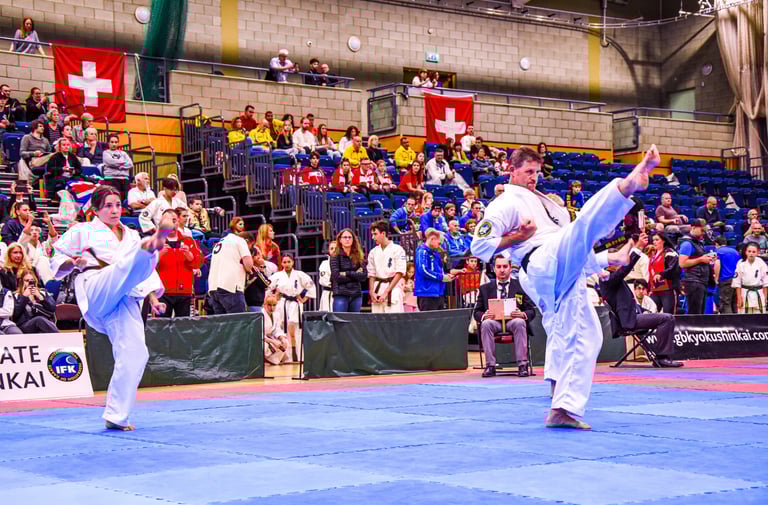
The USA-IFK was established as a member of the International Federation of Karate by Shihan Michael Monaco (8th Dan) under the guidance of Hanshi Steve Arneil (10th Dan), founder of the IFK. Our mission is to uphold Kyokushin’s traditional values while providing opportunities for growth and competition across the United States.
Whether you're a new student, an experienced fighter, or an independent dojo seeking community, we welcome those who share the spirit of Kyokushin.
For more, please click HERE.
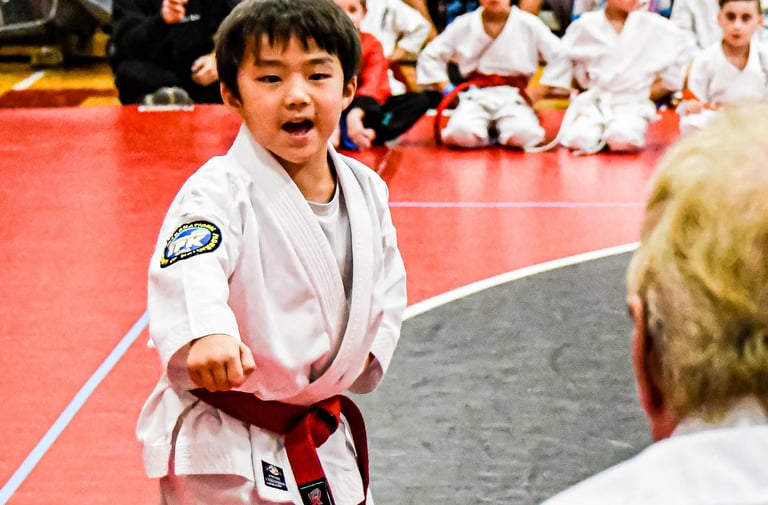
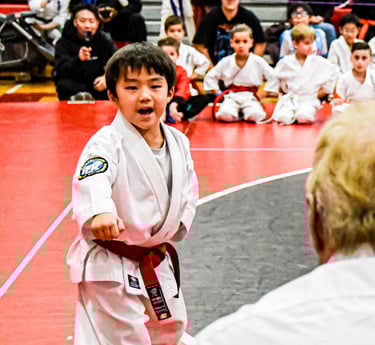
Join the Journey
Start training at a local dojo
Attend national and international seminars or tournaments
Connect with a larger Kyokushin community
Wherever you are on your path, there’s a place for you here.
What We Offer
Explore training, competitions, and seminars offered by the USA-IFK Kyokushin Karate organization for all levels.
Click on any of the photos below for more information.
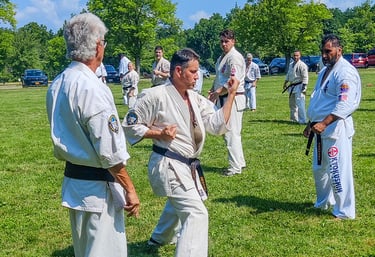
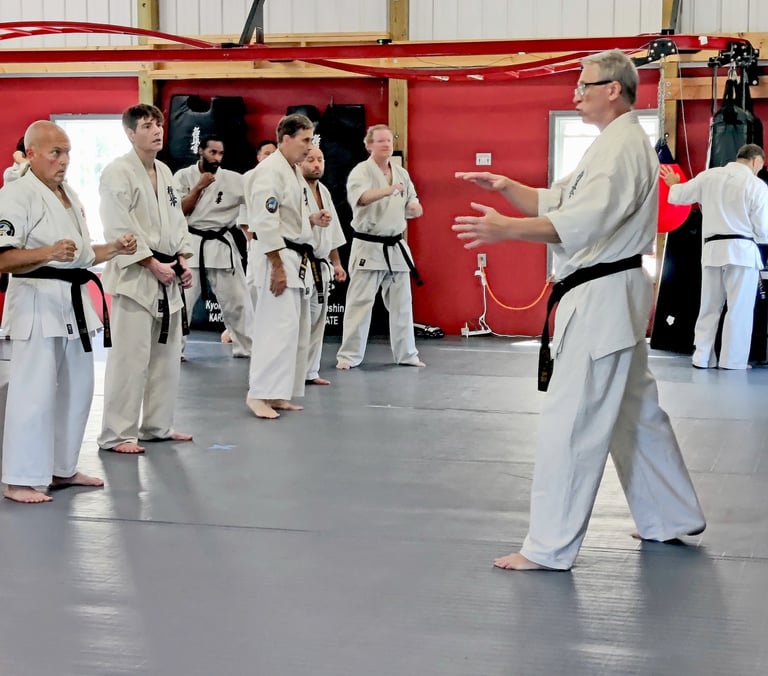
🥋Training
Join our camps and seminars featuring renowned instructors from around the world to enhance your skills.
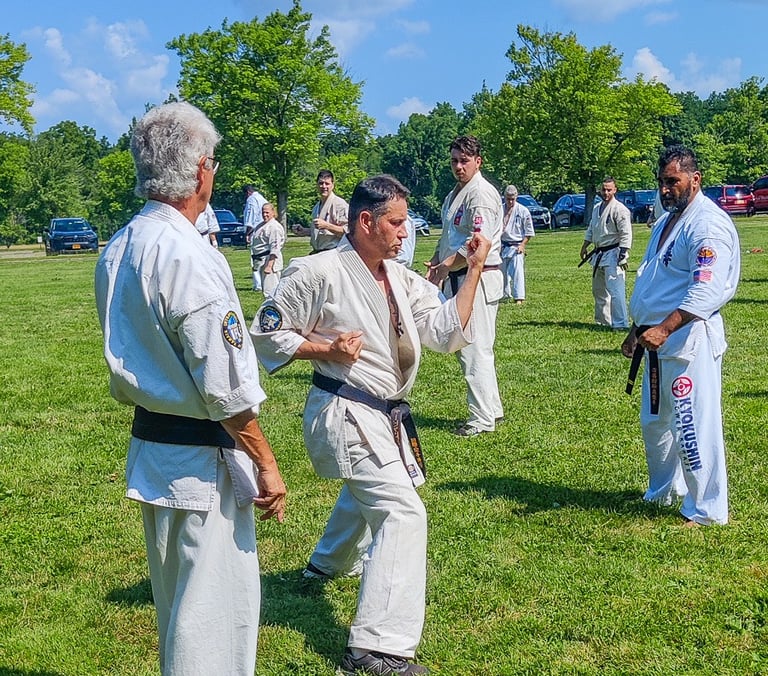
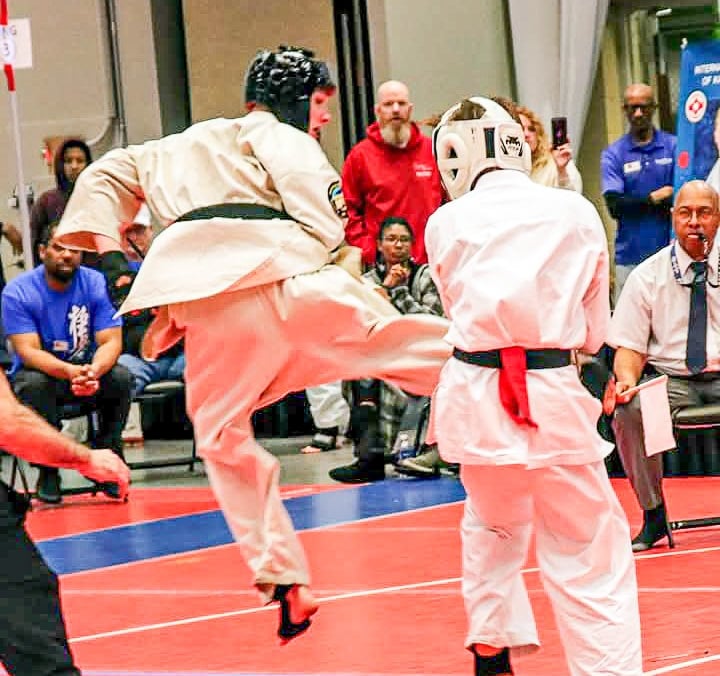
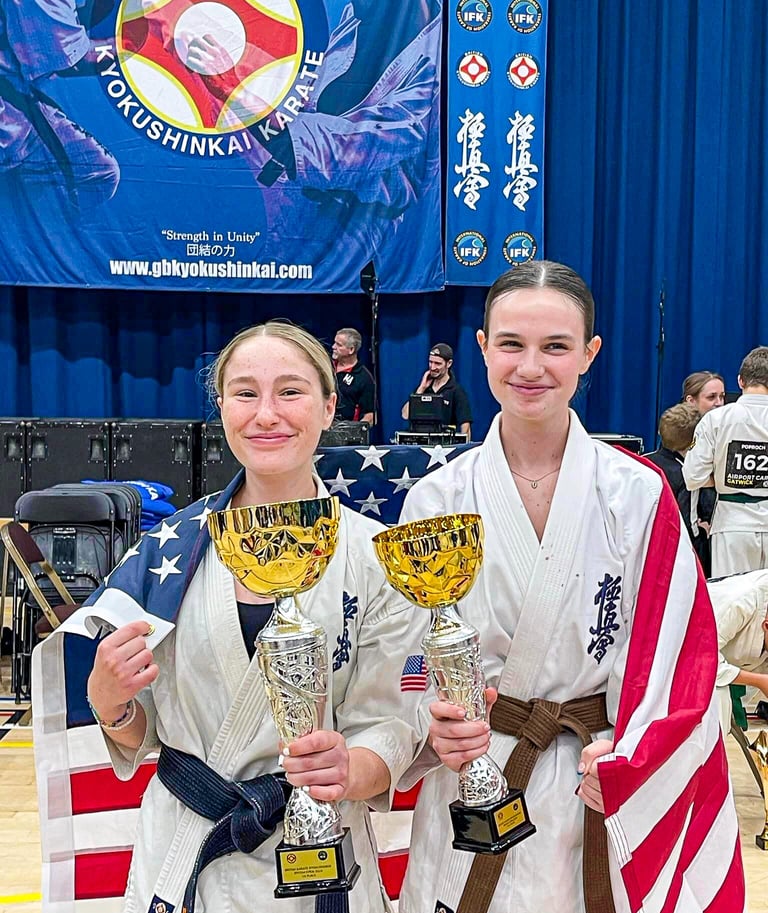
Competition
Participate in regional, national, and international tournaments to showcase your skills and dedication.
Find contact information for member dojos and learn about their chief instructors and training programs.
🏠Member Dojos
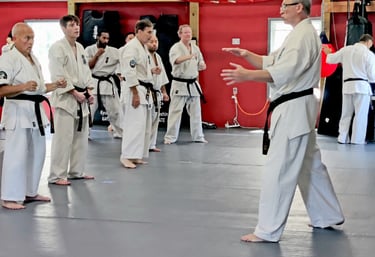
🥋Training
🏠Member Dojos
Visit Our Media Page
To explore images and video of our events, tournaments, and training sessions in Kyokushin, visit our media page HERE.
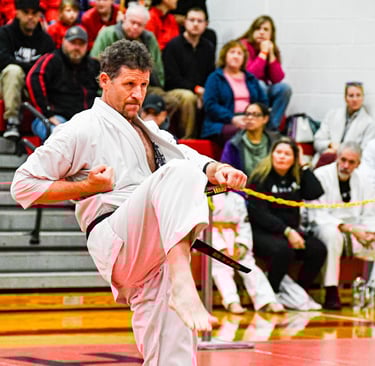
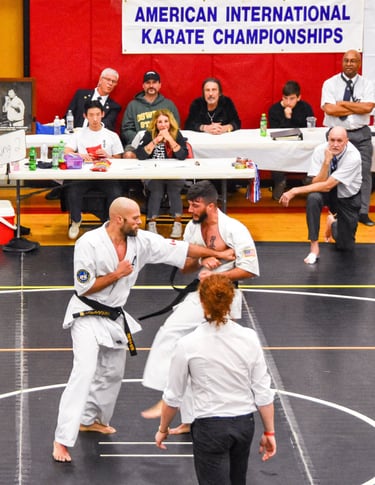
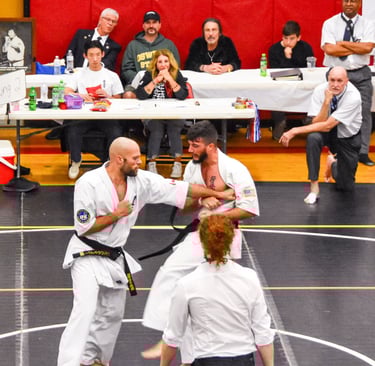
Have questions? If you're looking to join a Kyokushin dojo, the best place to start is by reaching out directly to the dojo nearest you — visit our Dojo Directory to find contact info and class details.
For general questions about national events, training opportunities, or the USA-IFK organization, feel free to use the form below. We’ll get back to you as soon as possible.
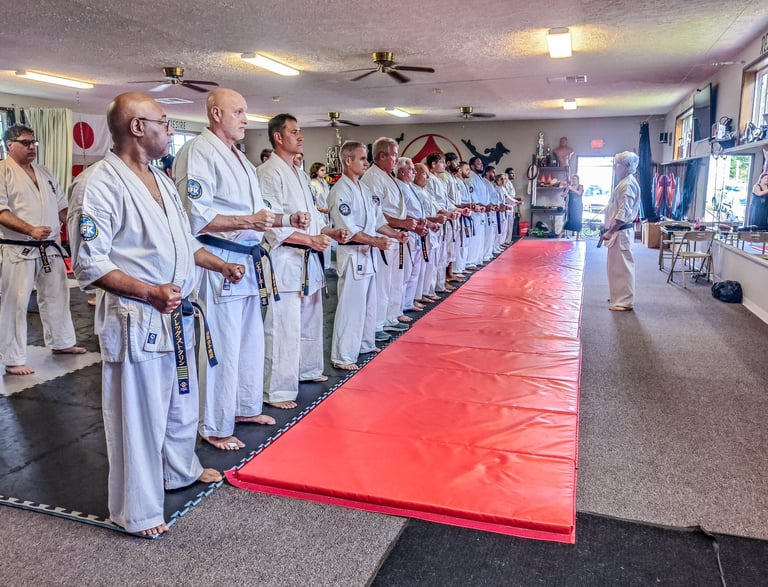
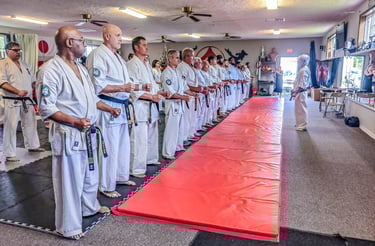
TRAINING
Join us for workshops and seminars conducted by skilled professionals and experienced educators from across the United States and internationally. USA-IFK prides itself on its no-politics approach. Click the appropriate button above for more information.
© 2025. All rights reserved.